
Artificial Intelligence is rapidly transforming how businesses operate. From automating repetitive tasks and improving customer service to accelerating decision-making, AI is quickly becoming a competitive advantage. However, before implementing new AI tools, every organization should ask one critical question:
Is your business truly AI-ready?
AI readiness is about much more than purchasing software subscriptions or experimenting with chatbots. Successful adoption requires the right mindset, organized data, strong cybersecurity, clear governance, and a reliable technology foundation.
Here’s what every business should evaluate before embracing AI.
Build an AI-Ready Culture First
Technology alone doesn’t create innovation—people do.
The organizations seeing the greatest return from AI are building an AI-first culture where leadership and employees are encouraged to rethink traditional workflows, embrace automation, and continuously improve business processes.
Before investing in AI platforms, ask yourself:
- Is our team open to change?
- Do employees understand how AI can improve their work?
- Are leaders committed to responsible AI adoption?
A culture that embraces innovation creates the foundation for long-term AI success.
Organize Your Data Before AI Uses It
AI is only as good as the information it can access.
If your shared drives contain duplicate files, outdated documents, or inconsistent naming conventions, your AI tools may generate inaccurate or conflicting responses.
Before deploying internal AI assistants or copilots, focus on improving your data hygiene:
- Remove redundant, obsolete, and outdated files.
- Standardize document naming conventions.
- Organize folders and knowledge bases.
- Maintain a single source of truth for policies, procedures, and business documentation.
Clean, organized data improves AI accuracy while reducing confusion and misinformation.
Protect Sensitive Information
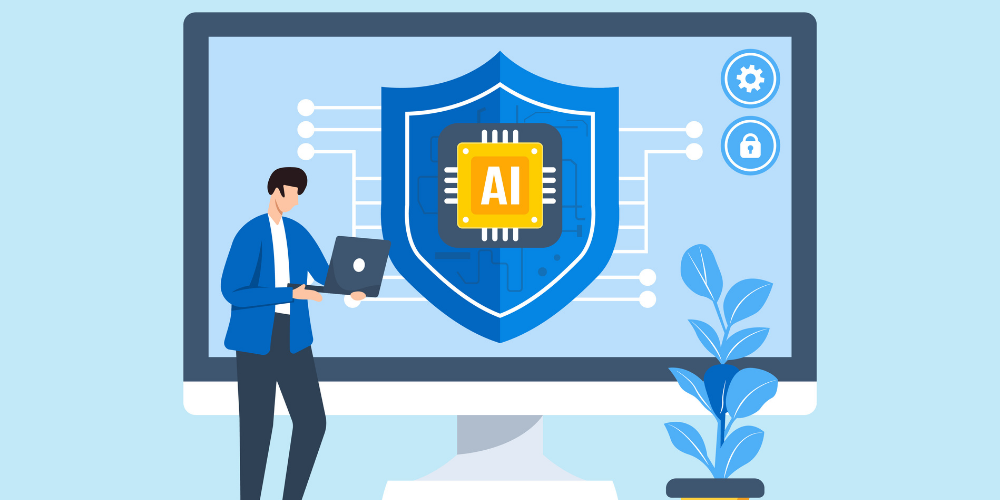
As AI becomes more integrated into daily operations, protecting business information has never been more important.
Employees may unknowingly upload confidential information into public AI platforms, creating significant security and compliance risks.
Your AI strategy should include protections for:
- Personally Identifiable Information (PII)
- Customer and employee records
- Financial information
- Intellectual property
- Proprietary business processes
- Client documentation
Equally important is implementing role-based access controls so employees only have access to the information required for their responsibilities.
AI should improve productivity—not increase your organization’s security risks.
Create AI Governance Before Problems Occur
One of today’s fastest-growing cybersecurity concerns is Shadow AI—employees using unauthorized AI applications without IT approval.
Although these tools are often adopted with good intentions, they can expose confidential information and create compliance issues.
Every organization should establish an AI Acceptable Use Policy that defines:
- Approved AI applications
- Prohibited AI tools
- What data can and cannot be entered into AI prompts
- Human review requirements for AI-generated content
- Employee AI awareness and security training
Clear governance allows employees to leverage AI confidently while protecting your organization.
Include Your IT Partner in Your AI Strategy
AI implementation isn’t simply another software deployment.
Your Managed Service Provider or Strategic Technology Advisor should help evaluate:
- Infrastructure readiness
- Data security
- Identity and access management
- AI vendor privacy settings
- Compliance requirements
- Long-term AI strategy
An experienced technology partner can help ensure your AI investments are secure, scalable, and aligned with your business goals.
The Bottom Line
Businesses that succeed with AI won’t necessarily be the first to adopt it—they’ll be the ones that prepare for it.
By building an AI-ready culture, improving data quality, protecting sensitive information, establishing governance, and working with the right technology partner, your organization can confidently embrace AI while minimizing risk.
If you’re considering AI for your business, now is the perfect time to evaluate your readiness. Call us today to Schedule an AI Readiness Assessment and discover how to build a secure, scalable AI strategy that positions your business for long-term success.